K-Pop Dance: Korea’s Dancing Sensations

KPop dance and music are so intimately linked. Together they have skyrocketed over recent years as kpop groups have become a global sensation.

When most people think of KPop (Korean Pop), they’ll associate catchy tunes, energetic dance and intricate choreography, often with perfectly synchronised moves.

In this article we’ll look at the rise of this dance style, how to get started.

So let’s get to it…

kpop dance
picture of a girl k-pop dancing. Image by Egi Mandala Putra from Pixabay

KPop origins & history

K-Pop originates from South Korea, but is influenced by a number of dance styles.

Originally K-Pop dance was influenced by American pop music. Going back to the 1950s, The Kim Sisters, rose to fame during that post-war period. The Kim Sisters are Kim Sook-ja (Sue) and Kim Ai-ja (who are literal sisters), and their cousin Kim Min-ja (Mia). Backed by talented parents, the girls, much like modern kpop, brought an eclectic mix to their performances, with singing, dancing, fashion and playing a selection of instruments.


In a 2018 NBC Interview, Sue Kim was asked ‘what makes a successful KPop group’, she said “Discipline. Without discipline, you cannot make it. It looks like whoever goes into K-pop groups, they have to have discipline. Something’s got to give, so they sacrifice their personal life to be good”.

Although they didn’t speak English initially, that didn’t hold The Kim Sisters back from achieving fame across United States and the wider world. Their success undoubtably opened the door for other Korean artists (and other international artists) to break into the international music scene.

The 1990s then were the next major step for K-Pop dance, with an increased popularity of Korean popular culture, also known as the “Hallyu Wave”. With relaxed travel restrictions in Korea, more international dance and musical influences were available. When they first appeared on MBC’s talent show in 1992, Seo Taiji and Boys, changed K-pop forever. Bringing rap and other western musical & dance influences into  K-Pop gave them rapid stardom, awards a millions of albums sold. Here’s the original music video where you can really feel many of those influences from other cultures and genres.

Growth continued throughout  the 2000s and 2010s, where K-Pop dance continued to evolve, ‘absorbing’ aspects of other international dance styles. Ultimately though, this collective of dance, music, fashion and fan participation has become something very special in it’s own right.

In 2012, Psy had a global success with his catchy song and iconic dance ‘Gangnam Style’, whose lyrics refer to a hip area of Seoul and brought a humour that created an instant hit.


More recently, the COVID-19 pandemic had a part to play in the rise of K-Pop dance on the global stage. With a push for at home isolation, the kPop ‘Idols’, their fans and content creators went online in unprecedented numbers – accelerating the spread of kpop, particularly across social platforms such as YouTube and Tik-Tok. This has fuelled the rise of ‘cover dances’ and ‘dance challenges’. These are now a key part of k-pop dance, where celebs, fans and content creators cover the moves and choreography of their favourite idols and can challenge others to do the same.

Cover dances are increasingly becoming serious business for young hopefuls looking for KPop success. Dera, part of The  White Family, a cover dance group, said “We are now demanded to look as identical as possible to the idol, whether the costumes, hairstyles, or the looks; become a cosplayer but the K-pop version,” she added.

Popular KPop Groups

All groups bring a powerful combination of dance and music. We recommend you checkout a few of their YouTube accounts to see them in action (and pick up a few moves whilst you’re there).

  • BTS – BTS, formed in 2010, with Jin, Suga, J-Hope, RM, Jamin, V and Jungkook as a hip-hop group and expanded to wider styles. Their first number one hit was “Blood Sweat & Tears”.
  • Twice – Formed in 2015, through the reality competition survival show “Sixteen” featuring Nayeon, Jeongyeon, Momo, Sana, Jihyo, Mina, Dahyun, Chaeyoung, and Tzuyu. Their first single was “Extended Play” with their first number one the following year “Cheer Up”. The “TT” hand gestures are famous among fans.
  • Blackpink – Koreas most famed girl group, with Jisoo, Jennie, Rosé, and Lisa. They had their first hits in 2016 with “Whistle” and “Boombayah” and went on to smash multiple records and receive even presidential thanks for helping spread KPop world wide.
  • Super Junior – a larger 12 piece boy band, formed in 2005, with Leeteuk, Heechul, Yesung, Shindong, Sungmin, Eunhyuk, Donghae, Siwon, Ryeowook, Kyuhyun, Han Geng, Kibum and Kangin. Changes in the line-up took place over the next 4 years. Known for synchronized and polished dance moves. They broke a record in the KKBOX album chart, occupying number 1 for 122 weeks!
  • Big Bang – Big Bang, formed in 2006, originally with G-Dragon, Taeyang, Daesung. Seungri and T.O.P. They spread the ‘Korean Wave’ with their iconic dance moves, pulling on hip-hop elements, unique gestures, and high-energy energetic throughout.
  • Momoland – formed in the Mnet show “Finding Momoland” in 2016. The group of Hyebin, Yeonwoo, Jane, Nayun, JooE, Ahin, and Nancy where joined by Daisy and Taeha in 2017. Famous for catchy dance moves and an example of how KPop can ‘blow up’ on social media. Check out the video for “Bboom Bboom” with a lively and energetic dance routine. The group disbanded in 2023.
  • Stayc’s – a more recently formed girl group came together in 2020 – originally with Sumin, Sieun, Isa, Seeun, Yoon, and J, is known for their sharp dance routines. Their hits include “ASAP” and “So Bad”.
  • (G)I-dle –  a girl group, originally formed in 2018 with Miyeon, Minnie, Soyeon, Yuqi, Shuhua and Soojin. Their dances to the likes of “Hann” display powerful choreography, as well as elegant movement. 
KPop dance idols
Image of Kpop dance idols Photo by Joel Muniz on Unsplash

What type of dance is K-Pop?

Although celebrated under the banner of Korean Pop, as we can see from the history section in this article, K-Pop draws from a huge pool of influences from across the globe including Africa, America and Asia.

This allows KPop as a genre to feature everything from upbeat dance choreography to slower, emotional ballads, and everything in-between. The great thing about this, beyond the sheer variety under the KPop banner is that by drawing inspiration so widely and leaning so heavily on dance, KPop can really transcend linguistic and cultural barriers. This goes a long way to explain its international success. Some of it’s influences include:

  • Contemporary – Contemporary dance, from the West has brought much to KPop Dance including improvisation, emotional expression and fluid, graceful movements.
  • Hip-Hop – K-pop choreographers have drawn a lot from hip-hop. Bringing powerful, bold moves perfect for the KPop performance style.
  • Jazz – Another African-American influence, this time bringing unique steps, fast footwork, and movements that emphasize body isolation.
  • Rock – Less of a dance style but the presence of rock music can be seen visually in KPop dance through the high-energy jumps and headbanging.
  • Electronic – Dance styles accompanying electronic music such as house, techno, and breakdance, give a fast, futuristic feel to KPop dance choreographies.

Notable K-Pop Choreographers

One of the most powerful aspect that has driven Kpop to fame is the precision of the choreography, a few of the talents behind this include:

Kyle Hanagami – an American choreographer who has heavily in KPop, including groups: Girls’ Generation, Red Velvet, and Blackpink.

Lia Kim –  choreographing dance routines with intricate patterns for the likes of Sunmi and Twice (Including “TT”).

Rie Hata – a Japanese choreographer known for her hip-hop influence and who has choreographed for many KPop boy bands including BTS.

Bada Lee – choreographing for many artists, she was also a backup dancer for Blackpink’s Lisa.

Other great KPop choreographers Include Chunha, Rino Nakasone, Taemin, Leejung, Jay Park and Koharu Sugawara.

Acknowledging K-Pop Choreographers

A slightly contentious subject can be the acknowledgements these choreographers get for their central part in the making of the dances and the groups. Often not identified in the acknowledgements, the role of ethics in copyright are also brought into question. Strictly speaking, Youtube creators for example should also not be able to monetise non-original content (e.g. copied choreography) but this is not the case often.

Alice Myung is a performer and choreographer who studied Psychology and Social Behavior at the University of California. Alice has written an interesting piece on movement transmission and representation as a challenging point of view to this approach and the importance of acknowledging the people and culture that influence s.

bus with kpop dance group red velvet
Photo by Hiu Yan Chelsia Choi on Unsplash

How to learn K-Pop Dance as a beginner

At DanceBibles, we know that there’s no better way to truly appreciate a dance than to get involved.

KPop dancing is fun, a great work-out and you can do it alone or with other dancers (or even some friends or family). Because so many of the dances involve complicated choreography, to stand a chance at staying motivated whilst you make progress, we recommend beginners start with easier dances.

What’s the easiest KPop dance to learn?

Songs by Twice, such as “Dance The Night Away” are excellent as they’re iconic, generally simple to follow and execute.

How long does it take to learn a KPop dance?

It really depends! Even if it’s an easy KPop dance, it depends on you skill level as a dancer, experience with KPop, the song speed, number of dancers to name but a few considerations. Rest assured, like the idols, when you have more practice behind you, learning each move and choreography piece will suddenly come a lot faster.

A pro tip is to ‘not eat the elephant whole’. Pick some of the basic moves and techniques, break the song down into manageable sections. By doing this and mastering smaller sections, you can eventually build the sections together to achieve a dance for the whole song. Doing this for an easier choreography is a good stepping stone when repeating these steps and gradually building up to moderate and eventually more complicated, advance choreography.

With social media, YouTube, online courses and classes in virtually every city – learning KPop at home or with coaching can happen in your own time frame and in a way that suits you best. Why not learn with a few friends and see what choreography you can master together?

Happy dancing!

Here’s some other articles about interesting dance styles from round the world:

Spanish dancers performing

10 Classical Spanish Dances

Spanish Dances article by Tanya, a dancer who lives in Spain. The warm, cheerful, and picturesque streets of Spain contain many wonders for anyone who ...
Majorette dancing band

Majorette Dance: Moves, Dancing Styles and 200+ year History

Majorette Dance: In this article, we twist and twirl through everything majorette. Things like what makes a great majorette dance, core moves, how to get ...
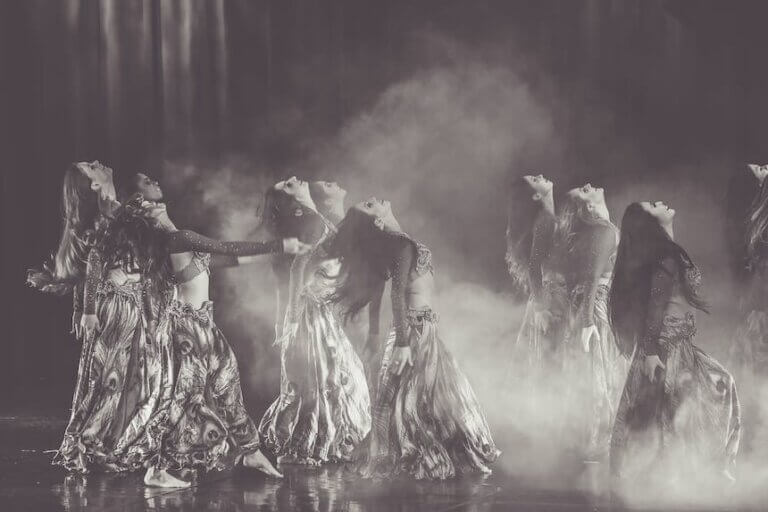
kpop dance

K-Pop Dance: Korea’s Dancing Sensations

KPop dance and music are so intimately linked. Together they have skyrocketed over recent years as kpop groups have become a global sensation. When most ...
Circle dance article. image of “Hora haiducilor” depicts traditional Moldavian folk circle dance Hora originating in the Balkans Sculptor Nicolae Vieru

Circle Dancing: Joy and Connection Through Dance

Circle dancing, sees dancers connecting, often through hand holding, in a circle, semicircle, or curved line. They move to the rhythm of singing or instruments ...
Wild horses. Symbolising the energy of Quebradita dancing - photo by Gene-Devine- on Unsplash

Quebradita: Unleashing the Energy of This Dynamic Dance

Quebradita dancing is known for its complex flips, daring lifts, and synchronized legwork, this exhilarating dance makes a powerful statement on any stage or dance ...
pasito duranguense - image of mexican flag

Pasito Duranguense: Dance to the Rhythm of Mexico

Pasito Duranguense is a vibrant dance and music genre inspired by its namesake Durango, Mexico. Emerging during the 1970s, it blends traditional Mexican music, such ...

Circle Dancing: Joy and Connection Through Dance

Circle dancing, sees dancers connecting, often through hand holding, in a circle, semicircle, or curved line. They move to the rhythm of singing or instruments.

The beauty of circle dance is its inclusivity. Accompanied by the relevant musical styles, it flexes in terms of catering for a full span of ages, abilities and fitness levels – creating a range of varied dance styles.

Circle dances vary from ancient, traditional formats to modern contemporary. The pace is anything from slow and meditative to lively and upbeat. You find some performed inside venues and others often outside and more connected with nature.

At DanceBibles, we love to explore the different dances from round the world and circle dancing is no exception. In this article we’ll dive into this fascinating dance, find out what makes it special, where it comes from and how you can get started.

Circle dance article. image of “Hora haiducilor” depicts traditional Moldavian folk circle dance Hora originating in the Balkans Sculptor Nicolae Vieru
Image by Maria Lupan  on Unsplash

How to Circle Dance

·      Often the music will start quietly and will allow people to get into the mood

·      Typically one person begins the circle dance and others will follow as comfortable

·      Sometimes we will join hands with our neighbours. Often dancers present the left hand open palm rotated backwards to ‘give’. The right hand is presented with an open palm ‘to receive’

·      There are a number of common steps depending on the dance. Have a look at this glossary

Circle dance of Females in Slovakia in full regalia, with musical accompaniment behind them
Image of circle dancers by Jan Hrasko from Pixabay taken in Hriňová Slovakia

Typical Aspects of Circle Dancing

Inclusivity

Whatever your age and ability, there is a circle dance to suit. No partner needed, simple steps and a welcoming atmosphere. This dance truly has community at its heart. Unlike most other dance styles, circle dance is non-competitive. With this in mind, the genre is very understanding and forgiving. ‘Circle Dancing for All’ say ‘There are no mistakes, merely variations!’.


Connectedness

The circle is no coincidence. For many the circle has symbolism to everything of circularity. This could be life & death, the changing of seasons, or even a connection to the earth, giving unity and wholeness.

People are also physically connected in the dance through their touch, energy, artistic expression and movement as they move in unison. This has ancient traditions in social and cultural occasion. The result is a shared feeling of community spirit.

At it’s most basic level circle dancing is a highly social form of dance. You can come without a partner, meet new people and make friends. Circle dance is an opportunity to immerse yourself into a new group of often likeminded people.

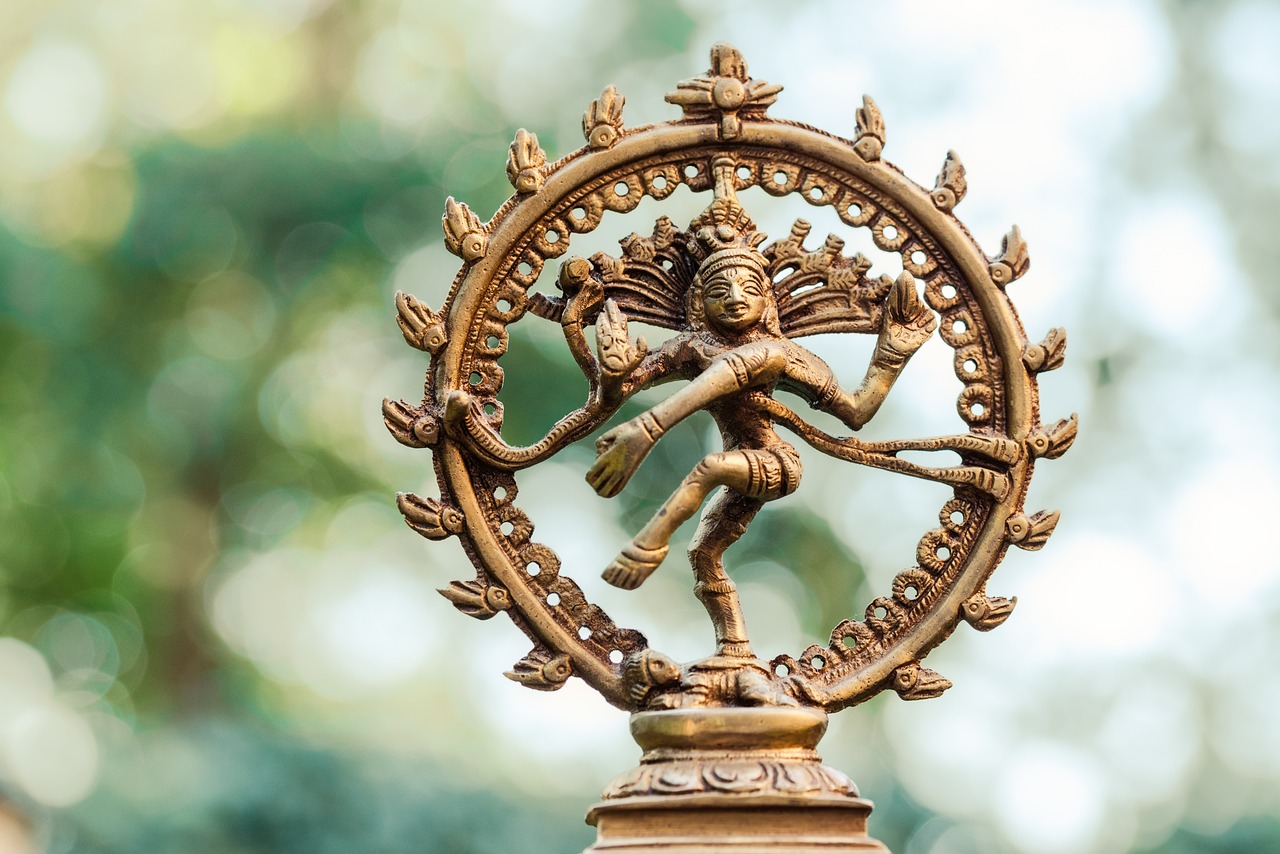
Image of Shiva statue
Shiva creating the world by dancing. Image by sabinevanerp on pixlebay

Reflection

For many historically and today, Circle dance has had an element of reflection to it, with some of the slower paced dances having a meditative element of mental quietness woven in. This is increasingly making circle dance a go-to tool for therapy tool in various settings.

The reflections, depending on the occasion, whether that be self-reflection, can have a spiritual or religious layer to them also.

Some styles of circle dance will have a centre piece in the middle of the circle. This serves a practical purpose of keeping the circle in a steady shape but also has an alternative meaning for some. This may include being lit with candles or around a fire, with all the symbolism light can bring.

Fun

For all the potential symbolism, ritual and deeper meaning we may find in some types of circle dance, one common thread you find across virtually all of these is an approach which is light-hearted and fun.


Musical Styles and Dances

Circle dancing incorporates various musical styles to reflect the broad nature of its participation. These can be loosely grouped into:

·      Self-made rhythm – Elements such as sticks, bones and handmade sounds were present during early circle dances for percussion.

·      Folk Song – Folk songs and dance have had the largest  presence in circle dancing

·      Classical & Contemporary Music – Circle dance repertoire has expanded to include classical and contemporary music. This brings a new dimension circle dancing, allowing for it to appeal to new audiences and with different levels of skill and physicality. Many choreographers now create dances to well-known classical pieces which can be beautiful to behold.

·      Meditative – The mentally refreshing and wellness properties of circle dance are compelling. These are intricately connected to the choice of relaxing, rhythmical song guiding the dance.

History of Circle Dancing

Circle dancing is believed to be the oldest form of dance. Some of the highlights include:

·      3000BC, Ancient Egyptian – rock petroglyphs (carved pictures) of girls circle dancing

·      10th Century, Germany – dance of Reigen originates from early Christian festivals

·      12th Century, Bosnia – tombstones in the depict dancers in a chain holding hands

·      14th Century, Macedonia – chronicles and monastery descriptions in show men dancing with linked arms.  Giovanni Boccaccio describes men and women circle dancing to their own singing or accompanied by musician

·      1588, Constantinople – German Reinhold Lubenau, reports on circle dancing a Greek wedding on his travels

And circle dancing has continued to this day, preserving many of the stories, customs and traditions through the generations. Many of these are often not written down, but have been passed generation to generation across the centuries.

Male and female dancers hold hands in a traditional circle dance
Image by ctvgs from Pixabay

List of example of circle dances around the world:

There are so many cultural variations of circle dance that its beyond the scope of this post to capture them all here but here we list a few examples:

·      An Dro – from Brittany, France – linking little fingers and swinging arms as the group is lead in a spiral of dance patterns.

·      Chain Dance – From the Faro Islands.

·      Danke – For example the Lawweeh, danced in a semi-circle at family celebrations in Lebanon, Syria, Palestine, Israel, Jordan and Turkey.

·      Deuda – part of the cultural heritage of the Karnali Province, Nepal. Holding hands in a circle. The first group sings a question, whilst a second group then answers this.

·      Dhan Nach – (Often also known by the name ‘Yalang’, ‘Chalakma’ or‘Yalakma’ depending on local language) A folk dance from the Limbu region of Nepal, accompanied by a song called ‘Palam’. It’s roots traceable to scaring the birds away and celebrating the harvest.

·      English folk dance; you can find instructions and music for dances with names as wild as ‘Brawl’ and ‘The yellow cats jig’ on Colin Hume’s page

·      Farandole and Bourrée – are examples of French dances with distinct regional influences.

·      Fugdi – Performed by women around the Go region in India, often during Hindu religious festival. The name ‘Fugdi’ actually comes from there being no percussion to the dance, the dancers create a rhythm by blowing air in a sound of ‘Foo’.

·      Govend – A traditional Kurdish dance.

·      Hora – a highly energetic circle dance, found in the Balkans, Romania, Moldova, Bulgaria and Israel at weddings and celebrations.

·      Kalamatianos  & Syrtos – performed at weddings in Greece & Cyprus, two variants with different pace and formality. Often handkerchiefs and used as part of the dances.

·      Khigga  – Assyrian circle dances, often performed at weddings, in either a line or a circle. It uses handkerchiefs embodied with beads and bells, as well as a ceremonial decorated cain.

·      Khorovod – Russian dances, traditionally performed during village gatherings and festive occasions. Each dance tells stories of local folklore and history, with Pagan origins and symbolism of moving around the sun.

·      Kolo – folk dance from Bosnia and Serbia holding hands or waists, with a stiff upper posture held throughout.

·      Kochari  – An Armenian folk dance, danced with hands across each others shoulders, in a closed circle.

·      Mayim Mayim dance; which celebrates the finding of water during 40 years of wandering in the desert.

·      Native American circle dances; serving various purposes like healing and preparation for war.

·      Nati & Harul– A lively Indian folk dance most popular in Himachal Pradesh and Himalaya region. In 2016,  9892 women danced Nati in their colorful Kulluvi dress, which is a world record.

·      Sacred Circle Dance – With a small centrepiece of flowers and dance, through the Findhorn Foundation, by Bernhard Wosien, starting in Scotland.

·      Sardana – A popular dance from Catalonia.

·      Sakela – a traditional Nepalese and Indian festival dance, connected to prayer for a good harvest and protection from natural disaster.

·      Syabru – a traditional Nepalese Himalayan folk dance, from within the Sherpa, Tamang and Yolmo communities at festivals and gatherings.

·      Tamzara  – An Anatolian folk dance with connected little fingers.


Final thoughts

Whilst circle dancing might not have the same individual skills elements at the level of other dance styles like Ballet, circle dance is about connectedness with the group. A true joy to watch or be part of. It’s beauty is in it’s intertwined links with rich song, customs and stories. Circle dances preserve history and culture to the point many are listed in the UNESCO Intangible Cultural Heritage lists (which are definitely worth checking out).

Give it a try and let us know how it goes. Happy circle dancing!

Spanish dancers performing

10 Classical Spanish Dances

Spanish Dances article by Tanya, a dancer who lives in Spain. The warm, cheerful, and picturesque streets of Spain contain many wonders for anyone who ...
Majorette dancing band

Majorette Dance: Moves, Dancing Styles and 200+ year History

Majorette Dance: In this article, we twist and twirl through everything majorette. Things like what makes a great majorette dance, core moves, how to get ...
kpop dance

K-Pop Dance: Korea’s Dancing Sensations

KPop dance and music are so intimately linked. Together they have skyrocketed over recent years as kpop groups have become a global sensation. When most ...
Circle dance article. image of “Hora haiducilor” depicts traditional Moldavian folk circle dance Hora originating in the Balkans Sculptor Nicolae Vieru

Circle Dancing: Joy and Connection Through Dance

Circle dancing, sees dancers connecting, often through hand holding, in a circle, semicircle, or curved line. They move to the rhythm of singing or instruments ...
Wild horses. Symbolising the energy of Quebradita dancing - photo by Gene-Devine- on Unsplash

Quebradita: Unleashing the Energy of This Dynamic Dance

Quebradita dancing is known for its complex flips, daring lifts, and synchronized legwork, this exhilarating dance makes a powerful statement on any stage or dance ...
pasito duranguense - image of mexican flag

Pasito Duranguense: Dance to the Rhythm of Mexico

Pasito Duranguense is a vibrant dance and music genre inspired by its namesake Durango, Mexico. Emerging during the 1970s, it blends traditional Mexican music, such ...
Beautiful bellydancer spinning in a pink dress. Photo by Gianluca Carenza on Unsplash. Header to the what is bellydancing article.

What is belly dancing?

Belly dancing, also known as Middle Eastern dance or Oriental dance, is an expressive and sensual form of dance that originated in the Middle East ...
Female Flamenco Dancer in full dancing.

Flamenco Dance: Mysterious and Mesmerizing

Flamenco dance is probably the first thing that comes to mind When you think of Spanish dance. This mesmerizing dance style has a long and ...
Ukrainian Folk Dancing

Ukrainian Folk Dances

Ukrainian folk dances are an important part of the country's culture. They have a long and varied history and can be classified into several different ...

Quebradita: Unleashing the Energy of This Dynamic Dance

Quebradita dancing is known for its complex flips, daring lifts, and synchronized legwork, this exhilarating dance makes a powerful statement on any stage or dance floor. Embraced by dance enthusiasts worldwide, Quebradita dance remains a celebrated symbol of Mexican culture and tradition. In this article you’ll get to know this fascinating area of dance.

Wild horses. Symbolising the energy of Quebradita dancing - photo by Gene-Devine- on Unsplash

Quebradita a captivating Mexican dance style with roots, drawing crowds with its athletic and acrobatic moves. With a name that translates to “little break,” (as in breaking of a wild horse) and references the distinctive back bends performed by the female dancer. Often accompanied by lively Regional Mexican music, this energetic dance showcases the skills of both male and female partners working in perfect dance harmony.

Dance Steps and Movements

As you can see in the video, Dancers typically perform in couples, holding onto one another while executing intricate steps, breaks, and bends at the knees and waist. One of the highlights of this dance has to be the daring acrobatics, in which the female dancer is often thrown around or slides down and around the male dancer’s body as if she’s breaking around his frame.

Fancy trying this for yourself and getting Quebradita dance party ready?

Music and Rhythm

The music accompanying Quebradita dancing usually features Regional Mexican songs, typically a lyrical charanga or an instrumental mambo. The dance gained popularity in the Technobanda Regional Mexican subgenre, which incorporates electronic elements into the traditional banda music. The Quebradita aesthetic is influenced by Mexican and Chicano arts, and it emerged from the border region where working-class, mestizo musics like ranchera, norteña, and banda have long been popular.

Costumes and Attire

Quebradita dancers typically wear colorful and eye-catching outfits that accentuate the dance’s energetic nature. Male dancers often wear embroidered shirts, fitted trousers, hats and boots, while their female partners wear short skirts or dresses, fishnet stockings, and high heels. The vibrant clothing adds to the visual appeal of the performance and complements the high-energy dance moves and acrobatics.

The Origins and Influences of Quebradita

Quebradita was first developed in the 1960s, with a band called El Recodo. Combining cumbia, a popular Latin dance music style, with banda instruments, creating a unique sound that would later influence the development of Quebradita. Between 1990 and 2000, Quebradita reached the height of its popularity  The dance became a significant part of the musical culture across southwestern United States during the early to mid-1990s (this link is to a really lovely personal account of Quebradita – we really recommend you check it out).

As with Pasito Duranguense, Quebradita dancings unique style also reflects influences from Mexican-American cultural exchange, making it a representation of the blending of these two distinct cultural backgrounds.

This short documentary gives a great perspective from authentic Quebradita dancers.

 Quebradita Time Fest

The Quebradita Time Fest is an annual celebration of the dance style, bringing together enthusiasts, performers, and spectators alike. This event aims to keep the unique dance style alive and thriving, while also fostering a sense of community among those who appreciate and enjoy the creative and cultural aspects of Quebradita.  The event has been held in different venues and cities, including the City National Grove of Anaheim and Microsoft Theater. In 2023 it’s held in Houston TX. It features popular bands such as Mi Banda El Mexicano, Banda Machos, Banda Maguey. Looks like a great time!

So there you have it, Quebradita, a fun, athletic and acrobatic dance style. Hope you’ve found it interesting, we certainly did!

Take a look at these other world dances:

kpop dance

K-Pop Dance: Korea’s Dancing Sensations

KPop dance and music are so intimately linked. Together they have skyrocketed over recent years as kpop groups have become a global sensation. When most ...
Circle dance article. image of “Hora haiducilor” depicts traditional Moldavian folk circle dance Hora originating in the Balkans Sculptor Nicolae Vieru

Circle Dancing: Joy and Connection Through Dance

Circle dancing, sees dancers connecting, often through hand holding, in a circle, semicircle, or curved line. They move to the rhythm of singing or instruments ...
Wild horses. Symbolising the energy of Quebradita dancing - photo by Gene-Devine- on Unsplash

Quebradita: Unleashing the Energy of This Dynamic Dance

Quebradita dancing is known for its complex flips, daring lifts, and synchronized legwork, this exhilarating dance makes a powerful statement on any stage or dance ...
pasito duranguense - image of mexican flag

Pasito Duranguense: Dance to the Rhythm of Mexico
Pasito Duranguense is a vibrant dance and music genre inspired by its namesake Durango, Mexico. Emerging during the 1970s, it blends traditional Mexican music, such ...
Beautiful bellydancer spinning in a pink dress. Photo by Gianluca Carenza on Unsplash. Header to the what is bellydancing article.

What is belly dancing?

Belly dancing, also known as Middle Eastern dance or Oriental dance, is an expressive and sensual form of dance that originated in the Middle East ...
Female Flamenco Dancer in full dancing.

Flamenco Dance: Mysterious and Mesmerizing

Flamenco dance is probably the first thing that comes to mind When you think of Spanish dance. This mesmerizing dance style has a long and ...

Credit for the featured cover photo by Gene Devine on Unsplash

Pasito Duranguense: Dance to the Rhythm of Mexico

Pasito Duranguense is a vibrant dance and music genre inspired by its namesake Durango, Mexico. Emerging during the 1970s, it blends traditional Mexican music, such as banda and norteña, with electronic sounds and elements of US genres like cumbia and techno. The result is a fast-paced and energetic dance style that has enthralled audiences in both Mexico and the United States.

Chicago has a large Mexican-American population of over 500,000, and Duranguense has become very popular in that community. In fact, some people even refer to Chicago as the “capital of Duranguense” in the United States.

The name “Pasito Duranguense” translates to “little Durango step,” referring to the dance’s quick and intricate footwork. Dance groups and bands, which often go hand-in-hand, have gained popularity not only for their lively performances but also for the cultural connection they provide to Mexican roots. A unique experience for both dancers and listeners alike. In this article we’ll explore more about this intriguing dance style.

pasito duranguense - image of mexican flag

How to Dance Duranguense

Pasito duranguense is similar to ballroom dance and can be performed both with a partner or solo.

  • To begin, stand in place and swing your hips to the beat of the music.
  • Each time your hips move from side to side, move your feet with a quick step.
  • This creates the characteristic rapid rhythm of the dance.

Photo by by-Jean-Weller-on-Flikr


This video have some great tips to get you started.

Musical Characteristics

Rhythm and Tempo

The rhythm of pasito duranguense is primarily based on syncopated patterns, giving it an energetic and danceable feel. The tempo is generally upbeat, as this style was created to accompany a dance known as the “Pasito”.

Instruments and Arrangements

Instrumentation in pasito duranguense typically includes a mix of traditional Mexican and modern instruments. The core of this genre is brass instruments, featuring trumpets, trombones, and saxophones. Additionally, keyboards or synthesizers are often used to add a touch of modernity to the arrangements.

Other instruments commonly found in pasito duranguense include the bajo sexto (a 12-string guitar-like instrument), bass guitar, and drums. The combination of these instruments contributes to the distinctive sound of this genre.

Popular Duranguense Bands

Notable examples include Grupo Montéz de Durango, Conjunto Atardecer

AK- 7, Patrulla 81and Los Horóscopos de Durango. Their songs often featured catchy melodies, energetic rhythms, and compelling lyrics, capturing the essence of the duranguense genre.

Major record labels, such as Musart-Balboa, released compilations featuring various artists, helping to promote the genre globally. You can find them on on Amazon.

Contribution to Mexican Music

The evolution of Pasito duranguense played a significant role in diversifying Mexican music. It combined elements from various music styles like banda, norteño, and techno, resulting in a uniquely Mexican sound. The dance associated with the genre, featuring intricate footwork, further showcased the region’s blend of cultural influences.

The emergence of Pasito duranguense also led to the creation of a sub-genre called Mexikansa, which featured the incorporation of Chicago-based artists and producers. This fusion demonstrated the ability of Mexican music to adapt to new environments and maintain its cultural roots.

International Reach

Pasito duranguense expanded beyond Mexico and gained popularity in the United States, particularly among the Mexican-American community. Its accessibility and distinctive dance style made it a popular choice at social events and gatherings.  Furthermore, the duranguense wave gave several Mexican and Mexican-American artists the opportunity to connect with audiences from different backgrounds, creating a sense of cultural unity and pride.

Controversies and Criticisms

Pasito Duranguense has faced its share of controversies and criticisms throughout its existence. While some appreciate the music and dance as an expression of Mexican-American culture, others argue that it has negative connotations or perpetuates stereotypes. Most of this broadly falls under the banners of references to drugs, provocative dance moves and the commercialisation of a cultural heritage. While critics argue that these controversies tarnish the genre’s image, others view it as an essential aspect of Mexican-American culture that should be embraced and celebrated.

Summing up:

This combination of Mexican-American styles has created a unique music and dance, which should be celebrated and we can’t wait to try for ourselves!


Read more about world dances:

Spanish dancers performing

10 Classical Spanish Dances

Spanish Dances article by Tanya, a dancer who lives in Spain. The warm, cheerful, and picturesque streets of Spain contain many wonders for anyone who ...
Majorette dancing band

Majorette Dance: Moves, Dancing Styles and 200+ year History

Majorette Dance: In this article, we twist and twirl through everything majorette. Things like what makes a great majorette dance, core moves, how to get ...
kpop dance

K-Pop Dance: Korea’s Dancing Sensations

KPop dance and music are so intimately linked. Together they have skyrocketed over recent years as kpop groups have become a global sensation. When most ...
Circle dance article. image of “Hora haiducilor” depicts traditional Moldavian folk circle dance Hora originating in the Balkans Sculptor Nicolae Vieru

Circle Dancing: Joy and Connection Through Dance

Circle dancing, sees dancers connecting, often through hand holding, in a circle, semicircle, or curved line. They move to the rhythm of singing or instruments ...
Wild horses. Symbolising the energy of Quebradita dancing - photo by Gene-Devine- on Unsplash

Quebradita: Unleashing the Energy of This Dynamic Dance

Quebradita dancing is known for its complex flips, daring lifts, and synchronized legwork, this exhilarating dance makes a powerful statement on any stage or dance ...
pasito duranguense - image of mexican flag

Pasito Duranguense: Dance to the Rhythm of Mexico

Pasito Duranguense is a vibrant dance and music genre inspired by its namesake Durango, Mexico. Emerging during the 1970s, it blends traditional Mexican music, such ...

What is belly dancing?

Belly dancing, also known as Middle Eastern dance or Oriental dance, is an expressive and sensual form of dance that originated in the Middle East. It is characterized by fluid, undulating movements of the torso and hips, often accompanied by intricate hand and arm gestures. Belly dancing is a popular form of entertainment at events and celebrations, but it is also enjoyed as a form of exercise and self-expression.

Belly dancing is also known by a variety of other names, including Middle Eastern dance, Oriental dance, and Raqs Sharqi. These names are all used to describe the same dance form, which originated in the Middle East and North Africa.

Beautiful bellydancer spinning in a pink dress. Photo by Gianluca Carenza on Unsplash. Header to the what is bellydancing article.
Photo by Gianluca Carenza on Unsplash.

The name “belly dance” is a bit of a misnomer, as the dance involves much more than just the movement of the belly. It is a dance form that involves the use of the entire body, with fluid, undulating movements of the torso and hips, as well as intricate hand and arm gestures.

Some people believe that the name “belly dance” is a result of the Western fascination with the dance form and the emphasis on the belly and hips. Regardless of its origin, “belly dance” is the most commonly used term for this dance form in the Western world. However, it is important to be aware that there are other names that are also used to describe this dance form, and to respect the cultural context in which it originated.

History of Belly Dancing

Belly dancing origin is somewhat shrouded in mystery, as it is a dance form that has evolved over many centuries and has been influenced by a variety of cultures. It is believed to have originated in ancient Egypt and was originally a sacred dance performed by women for women. Over time, it spread to other parts of the Middle East and North Africa, and was eventually embraced by the wider world.

One legend says that originally the dance served as a ritual and helped ease the pains of childbirth. Women surrounded the woman in labor and made characteristic movements with their hips to drive away evil spirits from the newborn baby.

The entire Near and Middle East was under the power of sensual dance. Over time, the style began to change from ritual dance to folklore or folk dance. Every ethnic group that was part of the region added something of its own to the movements of the dancers. There are hundreds of folk dances whose progenitor was the Oriental style. They have two things in common: the performer is always a woman, and the main elements are the movements of the hips and abdomen.

The seductive dances of oriental beauties were also appreciated by European merchants and traders, who began to travel to Egypt around the 16th century. But for the first time bellidance Old World saw in 1889 in Paris. Mata Hari helped spread bellydance across the continent. In 1889, the first show, where bellydance was performed by Arab women, was held in Paris. Four years after that event, the movements of oriental beauties were already enjoyed in Chicago thanks to Sol Bloom.

The popularity of belly dancing in the United States increased significantly in the 1950s, 60s, and 70s, as immigrant dancers from various countries in the Middle East, such as Turkey, Lebanon, Syria, and Egypt, began offering classes and teaching Americans how to perform the dance.

Costuming and Props

Costuming and props have long been an important part of belly dancing, and have played a role in the history of this dance form. In the past, belly dancers typically wore traditional Middle Eastern clothing, such as flowing pants or skirts, long, flowing skirts, and a variety of tops and head coverings. These garments were often adorned with intricate embroidery, beadwork, and other decorative elements, and were chosen to reflect the dancer’s cultural heritage.

Over time, the costumes worn by belly dancers have evolved and become more diverse, with many dancers choosing to incorporate elements of modern fashion into their outfits. Today, it is not uncommon to see belly dancers wearing a variety of costumes, ranging from traditional Middle Eastern garments to more modern, Western-style clothing.

Props are also an important part of belly dancing, and have been used for centuries to add visual interest and enhance the dancer’s performance. Some common props used in belly dancing include veils, finger cymbals, swords, canes, and shimmying belts. These props can be used to add drama and movement to the dancer’s performance, and can help to tell a story or convey a particular theme.

Overall, costuming and props have played a significant role in the history of belly dancing and continue to be an important aspect of this dance form today.

Techniques and Styles of Belly Dances

There are many different styles and techniques of belly dancing, each with its own unique flavor and flair. Some of the most popular styles include:

  1. Egyptian style: This is the most traditional and classical form of belly dancing, characterized by smooth, fluid movements and intricate shimmies. There are many famous belly dancers from Egypt.
  2. Turkish style: This style is characterized by strong, sharp movements and dramatic poses. It is often accompanied by fast-paced music and may include props such as veils and finger cymbals.
  3. Lebanese style: Characterized by wavy elements. Dancers wear heels, so the center of gravity is shifted, the movements are sharp.
  4. Tribal style: This is a modern, fusion style of belly dancing that draws on a variety of Middle East, India, Africa, Spain dance styles. It is characterized by group improvisation and the use of distinctive costume elements such as coin belts and head scarves.

The number of types of oriental dances is much greater. They differ in the nature of movements and costumes.

There are many different steps and moves involved in belly dancing, and each style and technique may have its own unique set of moves. However, there are some basic steps and moves that are common to most forms of belly dancing. One of the most basic steps in belly dancing is the “shimmy,” which involves a rapid shaking or vibrating of the hips. This move is achieved by contracting and relaxing the muscles of the hips and lower abdomen in rapid succession. Other common steps and moves in belly dancing include:

  1. figure 8: This move involves making a figure 8 shape with the hips by moving them in a circular motion.
  2. undulation: This move involves rippling or undulating the muscles of the torso, creating a wave-like motion.
  3. hip drops: This move involves dropping the hips down and then lifting them back up, often in time with the music.
  4. chest lift: This move involves lifting the chest and bringing it back down, often in conjunction with arm and hand gestures.
  5. camel walk: This move involves taking large, sweeping steps while keeping the hips stationary, as if walking through sand.
  6. arabic walk: This move involves taking small, quick steps while keeping the feet close to the ground and the hips stationary.

These are just a few examples of the many steps and moves involved in belly dancing. As you learn more about this dance form, you will discover many more moves and techniques to add to your repertoire.

Benefits of Belly Dancing

Belly dancing is more than just a fun and enjoyable activity – it also offers a number of physical and mental health benefits. Some of the benefits of belly dancing include:

  1. Improved flexibility and strength: Belly dancing involves a range of movements that stretch and strengthen the muscles of the torso, hips, and back. It can help to improve flexibility and increase muscle tone and strength.
  2. Increased cardiovascular endurance: Belly dancing is a low-impact form of exercise that can raise the heart rate and improve cardiovascular endurance. It is a great option for people who are looking for a low-impact way to get their heart rate up.
  3. Stress relief: Belly dancing is a great way to relieve stress and tension, as it allows you to lose yourself in the music and the movements. It is a fun and enjoyable way to de-stress and relax.
  4. Improved self-confidence and body positivity: Belly dancing can be a powerful tool for boosting self-confidence and promoting body positivity. It is a dance form that is open to women of all sizes and shapes, and it promotes acceptance and celebration of the female form. By learning to dance with grace and confidence, many women find that they gain a greater sense of self-worth and appreciation for their bodies.


Where did belly dancing come from?

Photo by Simon Hurry on Unsplash.

FAQ

Is belly dancing cultural appropriation?

Cultural appropriation is the act of adopting elements of a culture that is not one’s own, without understanding or respecting the cultural context in which they originated. This can include adopting traditional clothing, hairstyles, art forms, religious practices, or other cultural practices, without understanding or acknowledging their cultural significance. So, yes, to be a belly dancer without an Oriental background could be a cultural appropriation.

However, while cultural appropriation can be an issue in belly dancing, it is not always the case. There are often power dynamics, issues of race and colonialism, and other factors at play that can make it difficult to draw clear lines. However, if a dancer, regardless of their race, is well-informed about Raqs Sharqi and its history, and is actively working to educate others and respect the culture from which it originates, it may not be considered cultural appropriation. It is important for all dancers to be mindful of cultural appropriation and to strive to represent and respect other cultures in a way that is authentic and respectful.

Where did belly dancing come from?

It is believed to have originated in ancient Egypt and was originally a sacred dance performed by women for women. Over time, it spread to other parts of the Middle East and North Africa, and was eventually embraced by the wider world.

Conclusion

Belly dancing is a fun, expressive, and empowering dance form that has deep cultural roots. Whether you are looking to learn a new skill, get in shape, or simply have a good time, belly dancing has something to offer. With its many physical and mental health benefits, belly dancing is a great activity to add to your routine.

Resources for Further Learning
  1. https://www.jstor.org/stable/1478477
  2. https://factsanddetails.com/world/cat55/sub395/entry-5951.html
  3. https://blogs.iu.edu/muslimvoices/2022/05/27/belly-dance-in-islamic-worlds-by-meg-morley/

Take a look at other belly dance articles:

Jean-Léon Gérôme Sabre Dance in a Cafe. Oil on canvas painting

Belly Dance Movements: Where Did They Come From?

As a dancer, many times during class, my mind would start to wonder about the origins of that new bellydance step that the teacher was ...
Arabian dance in the nutcracker

The “Arabian” Dance in The Nutcracker

Christmas is around the corner, and if you are a Ballet enthusiast like me, you probably know that The Nutcracker recital has come to almost ...
Belly dance and Arabian dance costumes

Belly dance costumes

Arabian dance, just like the many other dance styles, is not only about the movements. It has a wide range of costumes and accessories like ...
A famous belly dancer

19 Famous belly dancers from round the world

Belly Dance, at its most basic can be traced back for centuries (and even possibly millennia). It is within the past century, roughly the last ...

Flamenco Dance: Mysterious and Mesmerizing

Flamenco dance is probably the first thing that comes to mind When you think of Spanish dance. This mesmerizing dance style has a long and complex history and remains popular to this day. If you’re curious about flamenco or are thinking of learning how to do it yourself, read on! We’ll take a look at what flamenco is, where it came from, and how you can learn the basics.
Female Flamenco Dancer in full dancing.
A Flamenco dancer Photo by Alexander Jawfox on Unsplash

What is Flamenco Dance?

Flamenco is a form of Spanish folk dance that originated in Andalusia in southern Spain. Flamenco is known for its passionate, elegant movements and its percussive footwork. The word flamenco comes from the Spanish word for “fire” (Fuego), and it is said to be one of the fiercest and most passionate dances in the world.

Flamenco dance is usually accompanied by guitar music and singing. The dancers typically wear brightly colored dresses or skirts with frilly underskirts, and they often use castanets (hand-held percussion instruments) to add to the rhythm of the music.

Flamenco has become popular worldwide, and there are now many different schools and styles of flamenco dancing. However, the roots of this passionate dance form remain in Spain.

The Origin of Flamenco Dance

Flamenco has its roots in the Romani people who migrated to Spain from India in the 15th century. The Romani were known for their lively music and dancing, which likely influenced the development of flamenco. Over time, flamenco evolved into a distinct style that was popular among the working-class people of Andalusia. In the 19th century, flamenco began to gain popularity beyond Spain, particularly in France and the United States.

Flamenco is a combination of the best in the dance culture of the peoples who inhabited the territory of Andalusia for centuries. The origins of flamenco should be sought in the Moorish musical culture. The Spanish Romany music also had a big influence on this style – many believe that the main real bearers of the style are the Spanish Gypsies.

In the XV century in Spain from Byzantium, which ceased to exist in 1453, came the Gypsies, who settled on the southern coast of the country in the province of Andalusia. They customarily adopted and reinterpreted local musical traditions, such as Moorish, Jewish, and Spanish proper, and from this fusion of musical traditions, reinterpreted first by the Gypsies and then by the Spaniards, flamenco was born.

At the end of the XVIII century, the persecution of the Roma came to an end and flamenco entered the taverns and cantinas and found freedom. At the end of the twentieth century, flamenco began to absorb Cuban melodies and jazz motifs, and in addition, elements of classical ballet got their permanent place there.

There are many speculations about how the word flamenco itself came to be. The most romantic one associates it with the German word “flammen” – to burn. The first mention of this word in the literature dates back to 1774. But it refers not to dance but to a knife of Flanders’s work. German gypsies allegedly came to Spain with such knives. In any case, by the nineteenth century, the word “flamenco” was in no way associated with either dance or song, though in one way or another it referred to the gypsies.

Today, flamenco is enjoyed by people all over the world. It remains an important part of Spanish culture and continues to evolve as a dynamic and ever-changing art form.

How to dance flamenco – Technique?

The basic steps of flamenco are relatively simple, but it takes practice and precision to dance with the grace and power that characterize this beautiful art form.

Here are some tips to help you get started:

    1. Stand up straight with your feet about shoulder-width apart. Relax your shoulders and keep your head level.
    2. Posture. Balance, a sense of your own body and weight are the main conditions for successful mastering of the dance. This is necessary for making sharp lunges, jumps, and turns. No less important is posture. Slouching and stiffness of the shoulders makes the dance ugly. A straight back provides more opportunities for a variety of movements of the arms, legs, head and body. In addition, beautiful posture reduces the risk of injury and increases self-confidence.
    3. Begin by gently rocking side to side, shifting your weight from one foot to the other. As you become more comfortable, you can increase the intensity of the movement.
    4. The basic movements of flamenco. Golpe – a full foot strike gives a full sound. You make a loud sound with your foot to the floor, as if you were stamping. Planta – strike or placing the foot on the floor with only the toe with the heel high up. In other words, you hit with the pads of your fingers, trying not to touch the metal part of the shoe to the surface. This can be with or without sound. Ponta or Punta translated as the big toe. Punta means to strike the toe behind the body or in front of the supporting leg with an immediate raising it somewhere to the level of the ankle of the supporting limb. The “point” made gives a loud sound.
  1. Hand movement. Your arms should be rounded, and always keep your elbows raised and half-bent. Move on to the study of the movements of the upper part of the body you can after you learn to always keep your posture and control your body in the dance.
  2. The next step is to master the movements of the wrists. Try to make your wrists as round as possible. Try not to move your hands intensely when you make movements with them. Never put your elbows down.
  3. Next, start tapping your feet in quick succession, keeping a steady rhythm. As you become more comfortable with the steps, you can add arm movements and turns.
  4. Flamenco is all about feeling the music, so don’t be afraid to let yourself go and express your emotions through your dance.
  5. Practice, practice, practice! The more you dance, the better you will become at moving with grace and power.

What are the Castanets?

Castanets are handheld percussion instruments that are traditionally used in flamenco dance. They are made of two hardwood or plastic shells that are held in the hand and clicked together to create a sharp, percussive sound.

What-are-Castanets

If you’re interested in learning how to play castanets, there are many instructional videos and resources available online. With a little practice, you’ll be able to add these traditional Spanish instruments to your flamenco repertoire!

Popular Flamenco Shows

Flamenco is a popular form of entertainment in Spain, and there are many shows and festivals dedicated to this passionate art form. If you’re visiting Spain, be sure to check out some of the following flamenco shows:

  1. Taberna Flamenca El Cortijo: This flamenco bar in Madrid offers nightly flamenco shows with live music and dancing.
  2. El Palacio Andaluz: This flamenco palace in Seville is one of the most popular flamenco venues in Spain. It features regular flamenco shows with some of the best dancers and musicians in the country.
  3. Museo del Baile Flamenco: This museum in Granada is devoted to the history and culture of flamenco. It offers regular flamenco shows as well as classes and workshops for those interested in learning more about this passionate art form.

Whether you’re a fan of flamenco music, dance, or both, there’s sure to be a show that will appeal to you. So don’t miss out on this exciting aspect of Spanish culture! Flamenco is an experience that you’ll never forget.

Conclusion

Flamenco is a passionate and mesmerizing art form that originated in Spain. This traditional Spanish dance is enjoyed by people all over the world and continues to evolve as a dynamic and ever-changing art form. If you’re interested in learning how to flamenco, there are many instructional videos and resources available online. With a little practice, you’ll be able to add this beautiful art form to your repertoire! Thanks for reading!


Cover image photo by Alexander Jawfox on Unsplash

Ukrainian Folk Dances

Ukrainian folk dances are an important part of the country’s culture. They have a long and varied history and can be classified into several different types. One of the most popular Ukrainian dances is the gopak. This dance is characterized by its fast tempo and energetic movements. It is often performed to lively music with a strong beat. This blog post will explore the history, classification, and basic movements of Ukrainian folk dances!
Ukrainian Folk Dancing
Photo by Igor Ver on Shutterstock.

What is Ukrainian dancing?

Ukrainian folk dance has a long, illustrious history, full of sentiments and adventures from many generations of Ukrainians. Ukrainian folksongs and dances are renowned throughout the world for their national flavor and strength of spirit, emotional intensity, musical distinctiveness, rhythm, and movement.

Folk dance is the soul of the people, its beauty and greatness. Touching, lyrical round dances, incendiary everyday life dances, figurative and thematic, plot dances reveal everyday life, rituals and traditions, life of freedom-loving Ukrainian people.

Ukrainian dancing is a traditional form of dance that originated in Ukraine. It is characterized by its fast-paced, energetic movements, and is often performed to traditional Ukrainian folk music. Today, Ukrainian dancing is enjoyed by people all over the world and is a popular form of entertainment at Ukrainian cultural events. It is also a popular competitive sport, with dancers often competing in regional, national, and international competitions.

In this video you can watch learning one of the elements of Ukrainian folk dance.

History of Ukrainian folk dances

The history of Ukrainian folk dance is a long one, full of emotions and experiences of many generations of the nation. The formation of Ukrainian folk dances were influenced in one way or another by all the tribes, nations that participated in ethnogenesis.

The history of Ukrainian choreographic culture has its roots in antiquity, in particular to the generous riches of national folklore spring games and lyrical maiden roundelays of Kievan Rus, sparkling heroic dances of desperate Cossacks and mass spectacle-competitions of Zaporizhian Sich.

The most ancient traces of dancing art in Ukraine are considered to be the drawings of the Tri-Polish time, where the figures of people who put one hand on the waist and the other arm behind the head are depicted. Similar movements are found in modern dances as well.

The image of dancers and musicians is on the frescoes of St. Sophia Cathedral in Kiev (XI century). Dances can also be found in many miniatures from ancient chronicles. The another recorded mention of Ukrainian dancing dates back to the year 988.

Over time, Ukrainian dancing developed into a more formalized art form. In the 17th and 18th centuries, professional Ukrainian dancers known as kobzari and lirnyky began to perform at royal courts and in public squares. These dancers were often skilled musicians as well, and would frequently accompany their dancing with live music.

The colorful Ukrainian dance first appeared on stage in I. Kotlyarevsky’s play Natalka Poltavka (1819, Poltava). In 1906, M. Sadovsky’s theater was created; in his performances, dance is no longer a copy of life, but an organic artistic generalization. Among the best choreographers of that period were Vasily Verkhovinets, V. Avramenko, Pavel Virsky, and Nikolai Bolotov.

Pavel Virsky became the organizer and permanent leader of the ensemble from 1955 to 1975. P. Virsky’s figurative dance art is always unexpected and bright. In his productions familiar and widely known movements acquire new emotional meaning. Canonical structures blossom with fresh patterns, traditional ones are colored with original shades, unique coloring.

The Virsky Ensemble still exists to this day. They have an active concert activity, the ensemble is popular all over the world. If you want to get acquainted with the Ukrainian folk dance, go to a concert of this ensemble.

Hopak-Dance.

Classification of Ukrainian Dancing

There are many different types of Ukrainian dancing, each with its own unique style and history. The most popular type of Ukrainian dancing is the Hopak, which is a traditional folk dance that originated in Ukraine.

Classification of Ukrainian dance differs including the criteria. For example, Virsky distinguished three types of folk dances according to the number of performers:

  1. mass
  2. pairs
  3. solo

According to the nature of musical accompaniment:

  1. Gopaki
  2. kozachki
  3. mazurkas
  4. quadrilles
  5. polkas

Other popular types of Ukrainian dancing include Kozachok, Hutsulka, Kolomiyka, Round dance, and Metelitsa.

Round dance

As displayed in the cover photo for this page,  the round dance is a Ukrainian folk dance that is often performed in a large circle. It is usually accompanied by music, and sometimes by singing.

The dance is believed to have originated in pagan times and was later adopted by Christians. It is thought to represent the sun, as it revolves around a central point.

Round dances are still popular today and are often danced at weddings and other celebrations. They are also a popular form of exercise, as they require little space and can be done indoors or out. At present, roundelays have lost their religious significance and are used by the people as ordinary amusements. They have firmly entered the repertoire of professional and amateur performance groups.

Kozachok

Kozachok is similar to gopak, but it is less acrobatic and more lyrical. This dance is energetic, cheerful, and incendiary. In the beginning, the tempo is moderate, but as it continues it speeds up.

The origin of the name is associated with the life of the Cossack warriors (in the k. The name originated from the life of the Cossack warriors. In the second part of the drama “Vertep” the central character was a Cossack-Cossack, who played the bandura, sang and danced well. This dance was called the Cossack dance). The dance is characterized by:

  • perform only in pairs, size 2/4, without complicated tricks;
  • the participation of girls gives the dance tenderness, lyricism, softness;
  • improvisation and humorous elements are welcome.

Kozachok is a very popular folk dance in Ukraine; it is also popular in other countries, such as Poland and Romania.

Hutsulka

The Hutsulka is a Ukrainian folk dance that originated in the Hutsul region of Ukraine. It is characterized by its intricate footwork and fast, energetic movements.

The Hutsulka is traditionally danced by couples, who perform a series of turns and spins while keeping their feet close to the ground. The dance is often accompanied by fast-paced folk music played on traditional instruments such as the accordion or bandura.

Kolomiyka

The Kolomiyka is a Ukrainian folk dance that originated in the city of Kolomyia, in the Ivano-Frankivsk region of Ukraine. It is a fast-paced, lively dance that is often performed in pairs or pairs of performers, standing in a circle.

Kolomyka is also a dance song of the same name, serving as an accompaniment to dance or existing separately from it. The dance is performed to the accompaniment of short songs humorous character, less often historical, of everyday life with a similar name.

It is distinguished by the richness of dance movements, colourfulness of choreographic pattern, brisk tempo performance, bright coloring.

Metelitsa

The Ukrainian folk youth dance is a fast-paced round dance with changes in figures and circles that resemble a snowstorm. It’s a winter festival dance for youngsters that are usually held in the village square or on a frozen lake during the winter season.

The snowstorm can be performed with singing or with music. “Blizzard” is based on several simple movements. The dance’s main action is the “step-run” sliding motion, which is punctuated by stamping the heels on the ground in intricate patterns. The dance is performed mostly by women.

What clothes are worn for Ukrainian traditional dances?

For many Ukrainian dances, traditional clothing is worn. This often includes a shirt or blouse with embroidery, a skirt or trousers, and a headscarf.

The type of clothing worn depends on the region where the dance originated. For example, dancers from the Hutsul region often wear brightly-colored clothing with intricate patterns, while dancers from the Poltava region tend to wear more subdued colors and simple designs.

In general, Ukrainian dancers try to wear clothes that are representative of their region and its culture. This helps to create a sense of unity among the dancers and also makes the dances more visually appealing to spectators.

What is the Dance Gopak (Hopak)?

The Zaporozhian Cossacks’ dance began in the 16th and 18th centuries as a solo dance. Gopak allowed Cossacks to display their strength, courage, dexterity, and fighting skills. As a result, it was originally a male-only dance.

In folk culture, the dance evolved and became predominantly a pair dance. It’s done on the spur of the moment, just like it was before. After circling the group, a young man comes to a stop in front of the lady he desires to dance with and asks her to do so.

The sequence begins, with the woman dancing modestly and maintaining respect while, at the same time, conveying a tinge of irony and mischief. The guy pirouettes around her, displaying his expertise and skill “knees.” She tries to outsmart him by evading him; the guy does not give up though and attempts to block her path.

Speaking of Ukrainian folk dances, it should be When talking about Ukrainian folk dances it is necessary to note that often the same dance in different Locations may have different names. For example, the now well-known Ukrainian dance “Gopak” has other For example, the now famous Ukrainian dance “Gopak” has other names: “Gotsak”, “Kazak”, “Kazachok”, “Tropak” and so on.

What are the basic movements in Ukrainian folk dances?

Most Ukrainian folk dances involve simple movements that can be easily learned by anyone regardless of their dancing experience. Many of these dances are performed in a circle, with the dancers holding hands. Some of the most common movements seen in Ukrainian folk dances include turning, spinning, and leaping. These movements help to create a sense of energy and excitement among the dancers and also make the dances more visually appealing to spectators.

A few of the most popular steps and movements are called ” The Rope,” “Vykholesniki,” ” Walks” (seizures), and Dance Runs.

Conclusion

Ukrainian folk dances are an important part of Ukrainian culture. They are a way for people to connect with their heritage and celebrate their traditions. These dances are enjoyed by Ukrainians of all ages and backgrounds. Today, folk dances under the influence of professional dancers have ceased to be folk dances and have lost their local characteristics and accessibility to mass performance. Today, young people perform Ukrainian dances only on stage. This allows Ukrainians to preserve and appreciate the richness and diversity of their culture and roots.

Whether you are a seasoned dancer or have never danced before, you can enjoy these lively and vibrant dances. So put on your dancing shoes and let’s get started!

Spanish dancers performing

10 Classical Spanish Dances

Spanish Dances article by Tanya, a dancer who lives in Spain. The warm, cheerful, and picturesque streets of Spain contain many wonders for anyone who ...
Majorette dancing band

Majorette Dance: Moves, Dancing Styles and 200+ year History

Majorette Dance: In this article, we twist and twirl through everything majorette. Things like what makes a great majorette dance, core moves, how to get ...
kpop dance

K-Pop Dance: Korea’s Dancing Sensations

KPop dance and music are so intimately linked. Together they have skyrocketed over recent years as kpop groups have become a global sensation. When most ...
Circle dance article. image of “Hora haiducilor” depicts traditional Moldavian folk circle dance Hora originating in the Balkans Sculptor Nicolae Vieru

Circle Dancing: Joy and Connection Through Dance

Circle dancing, sees dancers connecting, often through hand holding, in a circle, semicircle, or curved line. They move to the rhythm of singing or instruments ...
Wild horses. Symbolising the energy of Quebradita dancing - photo by Gene-Devine- on Unsplash

Quebradita: Unleashing the Energy of This Dynamic Dance

Quebradita dancing is known for its complex flips, daring lifts, and synchronized legwork, this exhilarating dance makes a powerful statement on any stage or dance ...
pasito duranguense - image of mexican flag

Pasito Duranguense: Dance to the Rhythm of Mexico

Pasito Duranguense is a vibrant dance and music genre inspired by its namesake Durango, Mexico. Emerging during the 1970s, it blends traditional Mexican music, such ...
Beautiful bellydancer spinning in a pink dress. Photo by Gianluca Carenza on Unsplash. Header to the what is bellydancing article.

What is belly dancing?

Belly dancing, also known as Middle Eastern dance or Oriental dance, is an expressive and sensual form of dance that originated in the Middle East ...
Female Flamenco Dancer in full dancing.

Flamenco Dance: Mysterious and Mesmerizing

Flamenco dance is probably the first thing that comes to mind When you think of Spanish dance. This mesmerizing dance style has a long and ...
Ukrainian Folk Dancing

Ukrainian Folk Dances

Ukrainian folk dances are an important part of the country's culture. They have a long and varied history and can be classified into several different ...