








Dancing Equipment, Accessories & Tuition – Reviews and Guides
As a dancer, whatever your dance style, it takes more than great talent to succeed (although that plus a lot of practice is of course the main thing!).
Having the right tools of the trade are essential to performing well, staying comfortable and safe.
The basics all dancers need for class and competition:
This is what you will need to own and bring with you to class and competitions for virtually any dance style:
- Drinks: Whether water bottles or sports drinks to stay hydrated. Preferably one that doesn’t leak (we’ve all been there!) or held in an outside compartment of your bag.
- Towel: When things start heating-up, to wipe away sweat and keep you dry. The last thing you want is to slip.
- Outfit: Each style of dance has its own dress code for both class and competition which may for class include the likes of leotards, tights, leggings or shorts. For example, what to wear to a pole dance class is very specific but shares the virtues of form-fitting clothing allowing freedom of movement without getting in the way with several other styles. Often dance clothing is related to a particular style and can vary country to country. Specific also costumes may be allocated for performances or competitions, for the extra theme, theatre and stand-out.
- Bag: Having the right dance bag, with a rack for changing at competitions, or a smaller one for class
- Shoes: Having the right shoes for your style is crucial. We have numerous guides for helping you understand the considerations and select shoes for various dance styles, including tap shoes, pole shoes and heels, pointe shoes, shoes for swing dance, Zumba shoes and more.
- Hair accessories: Sweat bands, hair ties, clips and bobby pins can all come in handy for keeping your dancing hairstyle in place or simply out the way
- Make-up: Always handy to have any make-up bag and small mirror available.
Accessories & equipment specific to dance style:
Often provided by the dance school, but if you are learning at home or becoming more advanced in your dancing, you may wish to invest in some of these also.
- Music: It goes without saying, for there to be dance, there must (usually) be music. Usually provided by the class or competition venue.
- Props: Your dance style may demand ribbons, swords, fans to name but a few to build the mood and theatricality.
- Accessories: Depending on your dance style and occasion, you may need to accessorise your outfit.
- Exercise equipment: Things like yoga mats, foam rollers, resistance bands and balance boards to help hone specific muscles, build flexibility and poise.
- Specialist equipment: core to your disciple, such as a pole for pole dancing or barre for ballet.
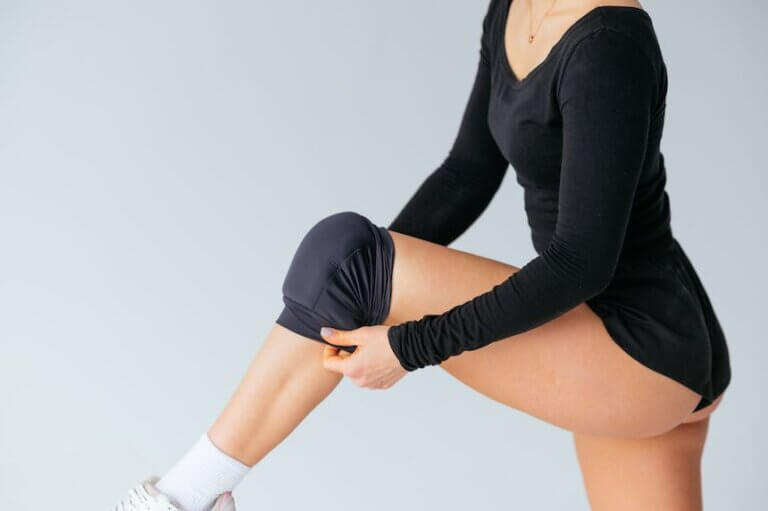
- Protective wear: Ankle supports and knee pads are good to provide cushioning, reduce impacts and strains.
In this section, the DanceBibles team has been working through, testing and comparing different equipment to help you.
Dance Classes
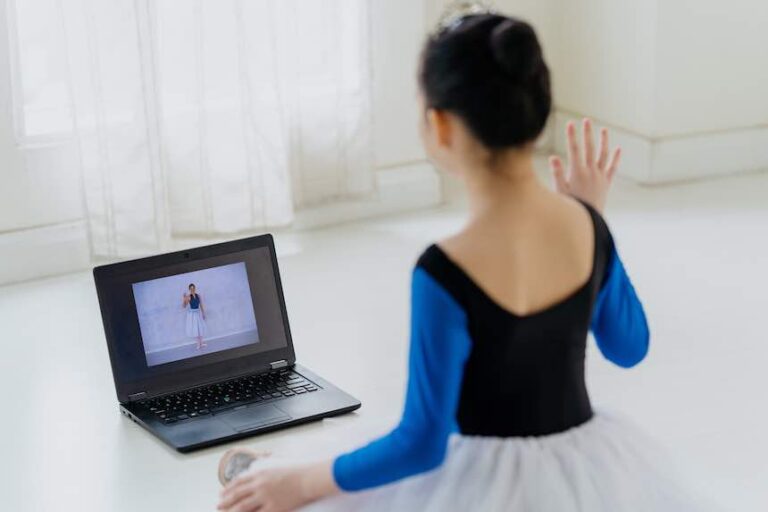
Choosing the right dance school is massively important our careers as dancers – with each comes the trappings of equipment, atmosphere, quality of tuition and even the potential prestige some schools carry and the opportunities this creates. But sometimes going ‘in person’ to class isn’t quite right for everyone, or needs supplementing.
Reasons you might choose to take online dance classes:
- Supplement: Accelerate what you are learning in your regular dance class with additional online tuition.
- Time and money: it can be faster and cheaper to learn online, although this doesn’t have the advantages of a physically present teacher.
- Flexibility: Within reason, you can take online dance classes where and when you want – especially if using a platform of step-by-step recorded content.
- Self-consciousness: Dance is typically welcoming for everyone to enjoy. No matter your ability or background, there’s a class for you with similar people. However if you’re really conscious (which is fine because everyone is different) or want to practice ahead of a ‘physical class’, online lessons are a great starting point for you.
- Branching out: Even if you’ve mastered one dance style, you might want to put your transferrable skills and abilities like your fitness, flexibility, creativity and poise in dance to the test by trying out another dance disciple. Or maybe you are just simply curious, like we are, of the other dance styles and want to give them a go, without the commitment to regular classes. Again, going online can be the perfect solution.
In this section of DanceBibles, our team looks at options on on taking online dancing classes, as well as looking at more specific types of classes, such as online pole dancing classes. They will help you get started, choosing from the available options to select the best route for you.